Global Whole Grain Relay Marks International Whole Grain Day

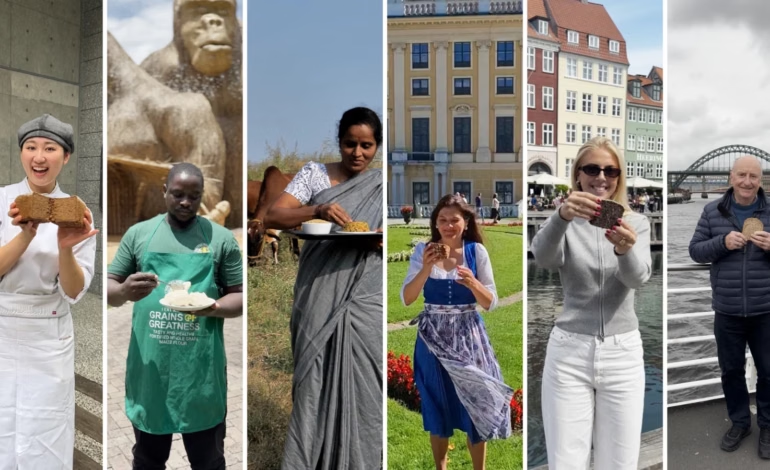
New Delhi, November 19, 2026: To mark International Whole Grain Day, led by the Whole Grain Initiative (WGI), countries around the world have joined a global video relay started by the Danish Whole Grain Partnership. In the video, whole grain products are passed from hand to hand across countries, symbolizing a shared commitment to raising whole grain intake and improving public health. Participants are sharing the video on social media.
The relay brings together organizations, governments, researchers, health advocates, and food industry representatives from several continents.
Caroline Sluyter, Senior Director of Operations at the Oldways Whole Grains Council (US), said the relay is about passing on knowledge, inspiration, and hope. “Together we can make whole grains an easy choice for millions of people,” she said.
Whole grains retain the bran and germ, where most of the fiber, vitamins, and minerals are found, unlike refined grains. Consumers can look for whole-grain bread, rye bread, crispbread, tortillas, crackers, pasta, and rice.
Rikke Iben Neess, Head of the Danish Whole Grain Partnership, said countries are working to make whole grains part of everyday meals and local dishes. She pointed to Denmark’s Annual Whole Grain Day, now observed in all Danish municipalities and inspired by a similar US event. The Partnership’s results have been highlighted as best practice by the European Union, the OECD, and the United Nations.
From Africa, David Kamau, Managing Director of the Fortified Whole Grain Alliance (FWGA) in Kenya, said the group is working to make fortified whole grains a practical, affordable way to improve diets and help children thrive in low- and middle-income countries.
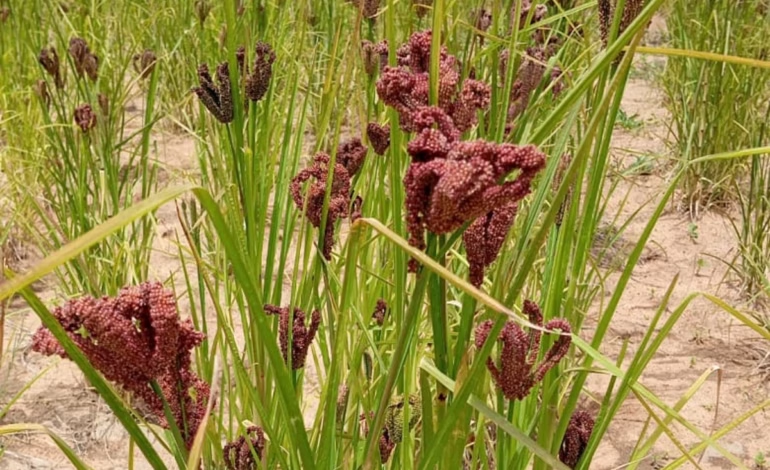
ICRISAT, an implementing partner of FWGA, used the relay to highlight the role of millets in the global whole grains movement. Dr Himanshu Pathak, Director General of ICRISAT, said millets are among the world’s oldest cultivated grains and are vital in climate-vulnerable regions. He added that these grains must be increasingly produced, valued, and consumed, not just preserved as heritage.
Source: https://www.icrisat.org/